

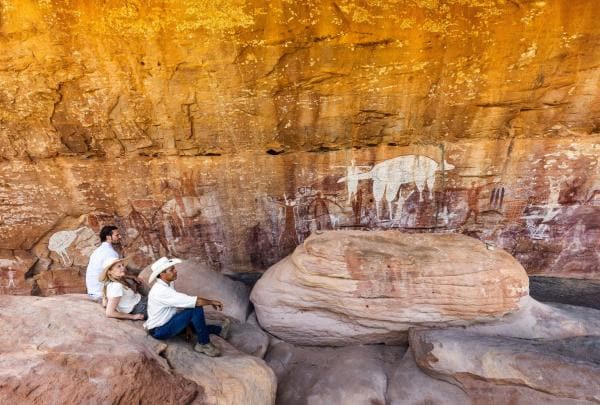
Open with the actual experience
Describe what guests will do and why that experience is distinctive. Name the setting, activity and approach. Replace unsupported superlatives with observable details: a small-group format, a particular route or a locally guided visit, when those facts are accurate.
Make the itinerary easy to picture
Use a realistic sequence and distinguish guaranteed stops from weather-dependent possibilities. Explain travel time and activity time where the difference matters. Do not promise wildlife sightings or access that the operator cannot guarantee.
Resolve practical questions together
State duration, inclusions, exclusions, meeting location and suitability. Describe physical demands concretely instead of calling an experience suitable for everyone. Link the approved cancellation policy and explain how a guest can discuss individual access needs.
Check the path from copy to checkout
Compare the description with the actual ticket options and booking confirmation. Names, ages, add-ons and departure times should agree. Ask a colleague unfamiliar with the product to read it and identify what they would still need to know before paying.
A concrete example
Instead of “the ultimate harbour adventure”, describe the two-hour route, the locally guided stories and the boarding point—only where those facts are true. The specificity does the selling.
Put it to work this week
Rewrite the first paragraph of one tour page using observable details, then check every practical promise against the booking options.